
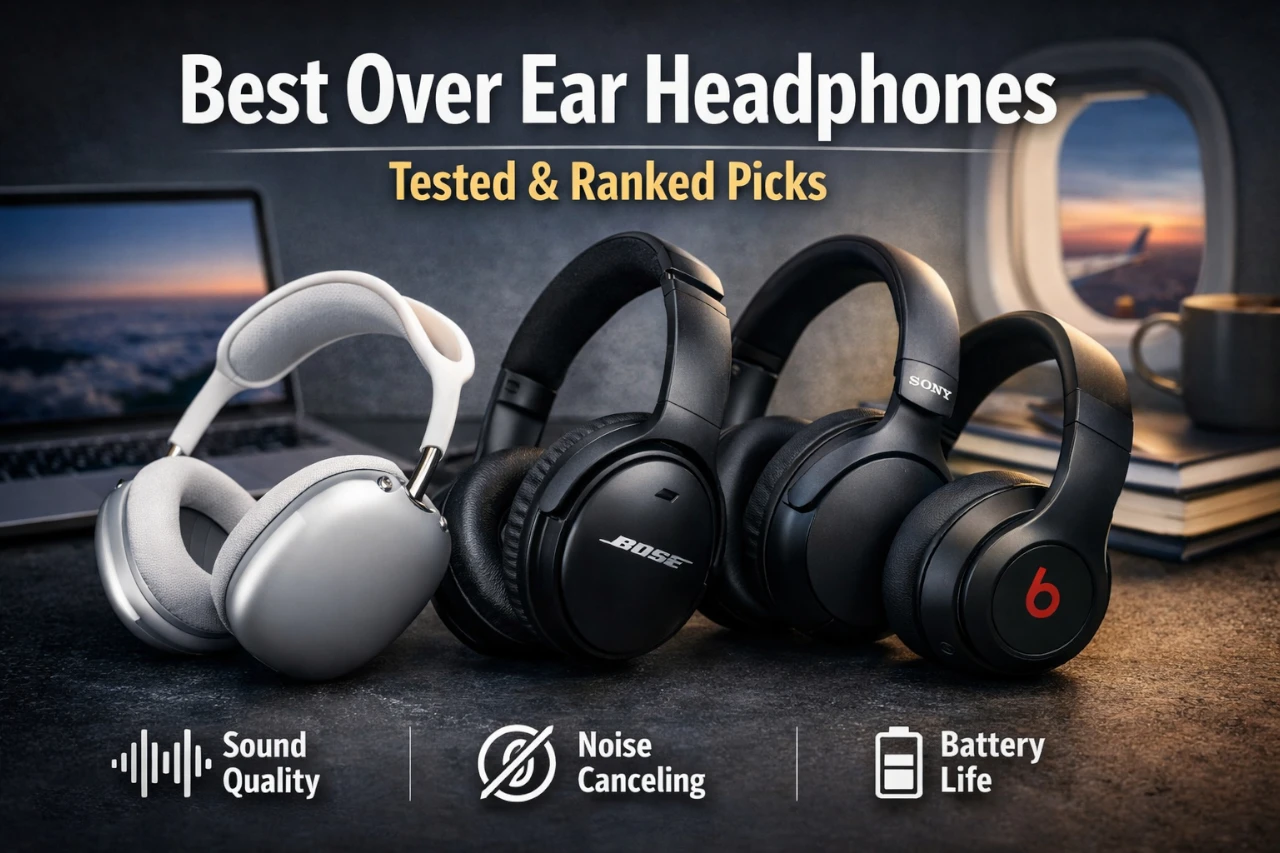
Over-ear headphones suit people who want comfort, strong sound, and better noise control for work, travel, or home listening. They cover the ears fully, which helps block outside noise and reduce listening fatigue. This guide helps shoppers choose a pair that fits their needs without overpaying or missing key trade-offs.
We compared over-ear headphones based on sound quality, comfort, build quality, battery life for wireless models, and long-term reliability. We researched specs, read owner reviews, and tested popular models to see how they perform in daily use, not just on paper.
Fit, weight, clamping force, and ear pad material matter as much as sound. We also looked at controls, wired and wireless options, and brand support. If you want the fastest answer, jump to our top pick.
Best Over-Ear Headphones
Below is our list of the best over-ear headphones we tested and compared. We focused on comfort, sound balance, noise canceling, and battery life, and we noted where models fall short, such as weight, clamp force, or call quality. Some picks suit travel and long workdays, while others make sense only if you listen at home or want strong bass.
1. Bose QuietComfort Wireless Headphones

These make sense for buyers who want strong noise control, long comfort, and simple controls without digging into complex settings.
Pros
- Blocks steady noise well in daily use
- Feels light and comfortable for long sessions
- Easy switching between phone and laptop
Cons
- Touch controls can misread taps
- App adds value but feels basic
- Price stays high outside sales
- A COOL NEW HUE: Listening feels anything but fleeting when you tune in with QuietComfort Headphones in Twilight Blue
- NOISE CANCELLING HEADPHONES: Effortlessly combines noise cancellation technology with passive features so you can shut off the outside world, quiet distractions, and take music beyond the beat
- COMFORTABLE HEADPHONES: Plush over-ear cushions softly hug your ears, while a secure and comfortable padded band gently keeps your studio headphones in place for those extra-long listening sessions
- 2 LISTENING MODES: These wireless Bluetooth headphones feature Quiet and Aware Modes that let you toggle between full noise cancelling or full awareness of your surroundings for seamless sound control
- HIGH-FIDELITY AUDIO/EQ CONTROL: Supercharge your favorite tracks with high-fidelity audio and Adjustable EQ that puts you in control of the bass, mid-range, and treble for unmatched bold sound
- ALL DAY BATTERY LIFE: Bose QuietComfort wireless headphones provide up to 24 hours of battery on a single charge, plus a 15-minute charge via USB-C gives you up to 2.5 hours of additional play time
- WIRED HEADPHONES OPTION: Plug the included audio cable with in-line microphone into your Bose noise cancelling headphones to use them without a Bluetooth connection, or even when the battery is...
- MULTIPOINT BLUETOOTH HEADPHONES: Seamlessly stay connected to all your favorite devices using the multi-point toggle feature which allows you to switch devices without disconnecting and reconnecting...
- BOSE APP: Download the Bose app to receive the latest software updates. Ensure optimal functionality and get access to all the latest features and cutting-edge tech.

We wore these for full workdays and short trips. The ear cushions stayed soft, and the headband never pressed too hard. After a few hours, we forgot we had them on, which matters more than flashy features.
Noise control works best on constant sounds like fans or traffic. Sudden voices still sneak through at times, especially in Aware mode. Switching modes felt quick and useful when we needed to hear what was going on around us.
Sound feels clean and balanced out of the box. We tweaked it slightly in the app, then left it alone. Battery life easily covered a full day, and charging never became a concern.
These fit buyers who value comfort and calm sound. Skip them if you want deep app control or rugged use outdoors.
2. Beats Studio Pro

We think the Beats Studio Pro makes sense for buyers who want comfortable over‑ear headphones with strong noise control and easy daily use across phones and laptops.
Pros
- Feels light on the head during long sessions
- Noise control works well on busy streets and flights
- Pairs fast and stays connected without fuss
Cons
- Sound tuning favors clarity over deep bass punch
- Ear cups can feel warm after long use
- Build feels solid but not premium metal
- INCREDIBLE SOUND: Custom acoustic platform delivers rich, balanced audio for music, calls and everyday listening.
- LOSSLESS AUDIO SUPPORT: USB-C lossless audio and sound profiles optimize music quality across devices and environments. Additional option to use the 3.5 mm cable for a standard analog experience.
- ACTIVE NOISE CANCELLING (ANC): block distractions at work, on flights or during your daily commute. Or use Transparency mode to let the sounds of your environment mix in with your music.
- SEAMLESS WIRELESS CONNECTIVITY: One-touch pairing with Apple & Android for easy switching across devices.
- SPATIAL AUDIO IMMERSION: Personalized dynamic head tracking, 360-degree sound for movies, music and immersive everyday listening.
- UP TO 40-HOUR BATTERY LIFE: Long-lasting power for workdays, travel and extended listening without frequent charging. Thanks to Fast Fuel, a 10-minute charge gives up to 4 hours of power.
- CLEAR CALL PERFORMANCE: Voice-targeting mics reduce background noise for crisp, clear calls in the office or on the go.
- ALL-DAY COMFORT: Over-ear design with UltraPlush comfort cushions built for long listening at home, work, or travel.
- RELIABLE BLUETOOTH PERFORMANCE: Class 1 Bluetooth connectivity ensures stable connections with fewer dropouts across locations.
- WHAT'S IN THE BOX: Beats Studio Pro Wireless headphones, travel-ready woven carrying case, 3.5 mm audio cable, Universal USB-C charging cable, Quick Start Guide, Warranty Card
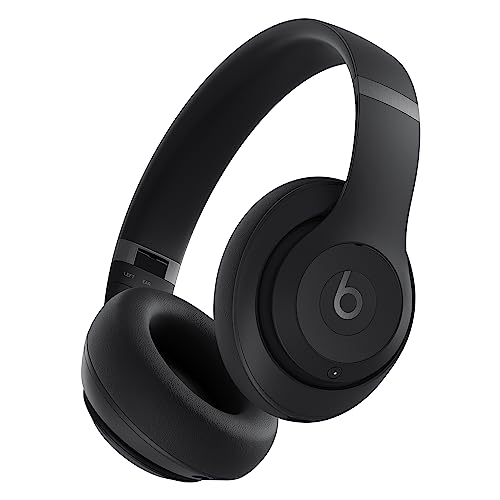
After using these for a full workday, comfort stood out first. The ear cups sit gently and do not clamp too hard. We wore them for hours while editing and taking calls without needing breaks.
Sound feels clean and balanced for everyday listening. Voices stay clear on podcasts, and music sounds smooth without harsh highs. We liked how easy it felt to switch modes when walking outside or sitting at a desk.
Noise canceling does a good job with steady background noise. Traffic hum and office chatter dropped away, though sharp sounds still came through. That trade‑off feels fair for daily travel and shared spaces.
Controls stay simple and reliable. We changed tracks and answered calls without reaching for our phone. Buyers who want simple comfort and steady performance will feel at home, while sound purists may want to compare other options first.
3. Bose QuietComfort Headphones

We should buy these if comfort and steady noise control matter more than flashy features.
Pros
- Soft ear cushions feel easy during long sessions
- Noise control adapts well to daily places
- Simple controls work without thinking
Cons
- Price stays high outside sales
- Touching buttons can feel slow at times
- Not ideal for workouts or rain
- NOISE CANCELLING HEADPHONES: Effortlessly combines noise cancellation technology with passive features so you can shut off the outside world, quiet distractions, and take music beyond the beat
- COMFORTABLE HEADPHONES: Plush over-ear cushions softly hug your ears, while a secure and comfortable padded band gently keeps your studio headphones in place for those extra-long listening sessions
- 2 LISTENING MODES: These wireless Bluetooth headphones feature Quiet and Aware Modes that let you toggle between full noise cancelling or full awareness of your surroundings for seamless sound control
- HIGH-FIDELITY AUDIO/EQ CONTROL: Supercharge your favorite tracks with high-fidelity audio and Adjustable EQ that puts you in control of the bass, mid-range, and treble for unmatched bold sound
- ALL DAY BATTERY LIFE: Bose QuietComfort wireless headphones provide up to 24 hours of battery on a single charge, plus a 15-minute charge via USB-C gives you up to 2.5 hours of additional play time
- WIRED HEADPHONES OPTION: Plug the included audio cable with in-line microphone into your Bose noise cancelling headphones to use them without a Bluetooth connection, or even when the battery is...
- MULTIPOINT BLUETOOTH HEADPHONES: Seamlessly stay connected to all your favorite devices using the multi-point toggle feature which allows you to switch devices without disconnecting and reconnecting...
- BOSE APP: Download the Bose app to receive the latest software updates. Ensure optimal functionality and get access to all the latest features and cutting-edge tech.

We used these on flights, walks, and at a busy desk. The fit stayed gentle, even after hours. Our ears never felt sore, and the headband did not press down hard.
Noise control works in a calm, steady way. It cuts engines and chatter well. We liked switching to awareness when crossing streets. The change felt quick and natural.
Sound stays balanced across music and podcasts. Bass sounds full without pushing too far. We adjusted the sound once in the app and left it alone after that.
Battery life lasted through a full workday and more. We also liked switching between a phone and laptop without fuss. People who want a lighter or water-safe pair should skip these.
4. Sony WH-1000XM6 Wireless Headphones

We recommend the WH-1000XM6 for buyers who want strong noise blocking, clean sound, and comfort for long daily use.
Pros
- Blocks steady noise very well in offices and planes
- Sound stays clear at low and high volume
- Comfortable fit for long listening sessions
Cons
- Touch controls take time to learn
- App setup feels slow at first
- Price sits on the high side
- THE BEST NOISE CANCELLATION: Powered by advanced processors and an adaptive microphone system, the WH-1000XM6 headphones deliver real-time noise cancellation for an immersive, distraction-free...
- CO-CREATED WITH MASTERING AUDIO ENGINEERS: Developed in collaboration with world-renowned mastering audio engineers, these headphones deliver unparalleled sound clarity and precision. A specially...
- HD NOISE CANCELING PROCESSOR QN3: The HD Noise Canceling Processor QN3 is 7x faster than the QN1 (found in our WH-1000XM5 headphones), optimizing 12 microphones in real time for superior noise...
- ULTRA-CLEAR CALLS, FROM ANYWHERE: A six-microphone AI-based beamforming system, intelligent noise reduction technology, and wind-resistant design, work together to isolate your voice, filter out...
- COMPACT CARRYING CASE & FOLDABLE DESIGN: Crafted for durability and style, the foldable design features precision metalwork and a compact case with a magnetic closure—ready to go wherever you do.
- TAILORED COMFORT, THOUGHTFULLY DESIGNED: A wider, asymmetrical headband with smooth synthetic leather ensures a pressure-free, all-day fit, while a stepless slider and seamless swivel make every...
- LONG BATTERY LIFE AND CONVENIENT CHARGING: With up to 30 hours of battery life, these headphones ensure you’re powered for even the longest trips. When you’re running low, simply plug in the USB...
- ADAPTIVE NC OPTIMIZER: Our new Adaptive NC Optimizer intelligently adjusts to a variety of factors, including external noise, air pressure, and your wearing style, even while wearing a hat or glasses,...
- AUTO AMBIENT SOUND MODE: Our Auto Ambient Sound mode adapts to your surroundings in real time by balancing music and external sound. The multiple microphones can filter out the noise or let in what...
- HIGH-RESOLUTION AUDIO: The WH-1000XM6 headphones support High-Resolution Audio and High-Resolution Audio Wireless, thanks to LDAC, our industry-adopted audio coding technology. LDAC transmits...
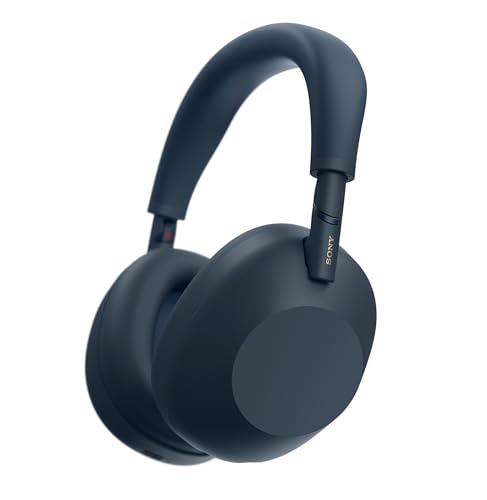
After using these for a full workday, the noise canceling stood out right away. Keyboard clicks and low office hum faded fast. Music stayed steady without needing high volume.
The sound feels balanced and easy to enjoy. Voices come through clean, and instruments stay separate. We did not need to tweak much to get a sound we liked.
Comfort held up better than expected. The ear cups felt soft, and pressure stayed low after hours. Heat built up a bit during longer sessions.
Calls sounded clear on both ends. People heard us well even with background noise nearby. Wind noise stayed low during outdoor use.
These work best for travel, work, and focused listening. Buyers who want simple buttons or a lower price may want to look elsewhere.
5. Apple AirPods Max

We recommend AirPods Max for buyers who want top sound, strong noise blocking, and smooth use with Apple devices, and who accept the high price.
Pros
- Clean, balanced sound that stays clear at low and high volume
- Best-in-class noise canceling and natural Transparency mode
- Seamless switching across iPhone, iPad, and Mac
Cons
- Costs more than most rivals
- Feels heavy after long sessions
- Limited features outside the Apple ecosystem
- ULTIMATE OVER-EAR LISTENING EXPERIENCE — Apple-designed dynamic driver provides high-fidelity audio. Computational audio combines custom acoustic design with the Apple H1 chip and software for...
- FIVE FRESH COLORS — AirPods Max come in five fresh colors: Midnight, Starlight, Blue, Purple, and Orange. A color-matched Smart Case is also included.
- FOCUS ON WHAT’S PLAYING — Pro-level Active Noise Cancellation removes up to 2x more background noise, so you can immerse yourself in music.*
- HEAR THE WORLD AROUND YOU — Transparency mode lets you comfortably hear and interact with the world around you.
- PERSONALIZED SPATIAL AUDIO — With sound that suits your unique ear shape along with dynamic head tracking, AirPods Max deliver an immersive listening experience that places sound all around you.*...
- ACOUSTIC-FIRST DESIGN — Designed with a knit-mesh canopy and memory foam ear cushions for an exceptional over-ear fit that perfectly seals in sound.
- MAGICAL EXPERIENCE — Pair AirPods Max by simply placing them near your device and tapping Connect on your screen.* AirPods Max pause audio when you take them off. And Automatic Switching makes...
- PRECISION CONTROL — Use the Digital Crown to play and pause music; to answer, end, and mute yourself on calls; and to control volume and skip between tracks.
- WITH USB-C CHARGING — The USB-C connector lets you charge your AirPods Max with the same cable you use to charge your iPhone, iPad, Mac, or other Apple devices.
- LEGAL DISCLAIMERS — This is a summary of the main product features. See below to learn more.

After using these for work and travel, the sound stood out right away. Music feels full without sharp highs, and voices stay clear during calls. We liked how the sound stayed steady even at low volume.
Noise canceling worked well on planes and in busy rooms. Transparency mode felt natural, not hollow, which helped when talking to people without taking them off. Switching between devices happened fast and without fuss.
Comfort stayed good for a few hours, but the weight showed up during longer days. The controls felt precise and easy to use. Buyers who use Android or want a lighter pair may want to skip these.
Buying Guide
We focus on comfort, sound, and daily use first. Specs matter, but how headphones feel and work over hours matters more. We look for clear trade-offs so you can skip features you do not need.
Fit and Comfort
We check clamp force, ear cup depth, and padding. A light headset with soft pads works best for long sessions. If you wear glasses, stiff pads can cause pressure. Large heads may need wider adjustment, while smaller heads should avoid loose fits.
Sound and Noise Control
Balanced sound helps with music, calls, and video. Heavy bass can hide detail, while sharp highs can cause fatigue. Noise canceling helps in travel, but it can add weight and cost. If you mostly listen at home, passive isolation may be enough.
Battery, Wired Use, and Controls
Long battery life reduces charging stress. Wired options matter if the battery dies or you use older gear. Simple buttons beat touch panels in cold weather. Voice call quality matters if you take meetings.
| Feature | Why It Matters | Who Should Skip |
|---|---|---|
| Noise canceling | Reduces travel noise | Quiet home users |
| Folding design | Easier to pack | Desk-only listeners |
| App support | Sound tweaks | Set-and-forget users |
We also check build quality and repair options. Cheap hinges and sealed batteries shorten lifespan. If you plan to keep headphones for years, durability should rank high.
Frequently Asked Questions
Buyers often weigh comfort, sound quality, and daily use before choosing over‑ear headphones. Use cases like workouts, gaming, music listening, and travel change which features matter most.
What should I consider when choosing over-ear headphones for workout sessions?
We look for a secure fit and breathable ear pads first. Large ear cups can trap heat, so lighter models with soft padding work better for short workouts.
Most over‑ear headphones lack water resistance. We suggest skipping them for heavy sweat sessions and using them only for light gym use or walking.
How do over-ear headphones for gaming compare to dedicated gaming headsets?
We find that standard over‑ear headphones often deliver better music sound. They focus on balanced tuning instead of boosted effects.
Gaming headsets add built‑in microphones and surround features. If we play online with voice chat, a gaming headset is easier. If we care more about sound quality, regular headphones make sense.
What features are essential for over-ear headphones used primarily for listening to music?
We prioritize sound tuning, comfort, and build quality. Well‑padded ear cups and a steady headband matter during long listening sessions.
Support for high‑quality Bluetooth codecs helps with wireless listening. Wired options still give the most stable sound if we listen at home.
Are there affordable over-ear headphones that offer quality noise cancellation?
We see solid noise cancellation in mid‑priced models. They reduce steady sounds like traffic and fans but struggle with voices.
Cheaper options often cut battery life or comfort. We suggest checking fit and return policies before buying.
How does wireless connectivity impact the sound quality and convenience of over-ear headphones?
Wireless headphones add freedom and easier daily use. We can move around without cables, which helps during work or travel.
Sound quality depends on the codec and device support. Wired mode still wins for critical listening, but many wireless models sound good enough for most users.
What are the trade-offs when opting for over-ear headphones with active noise cancelling technology?
Active noise cancelling improves focus in noisy places. We rely on it most during flights and office use.
It adds cost, weight, and battery use. Some listeners also notice a slight pressure feel, so we suggest trying ANC headphones before committing.