
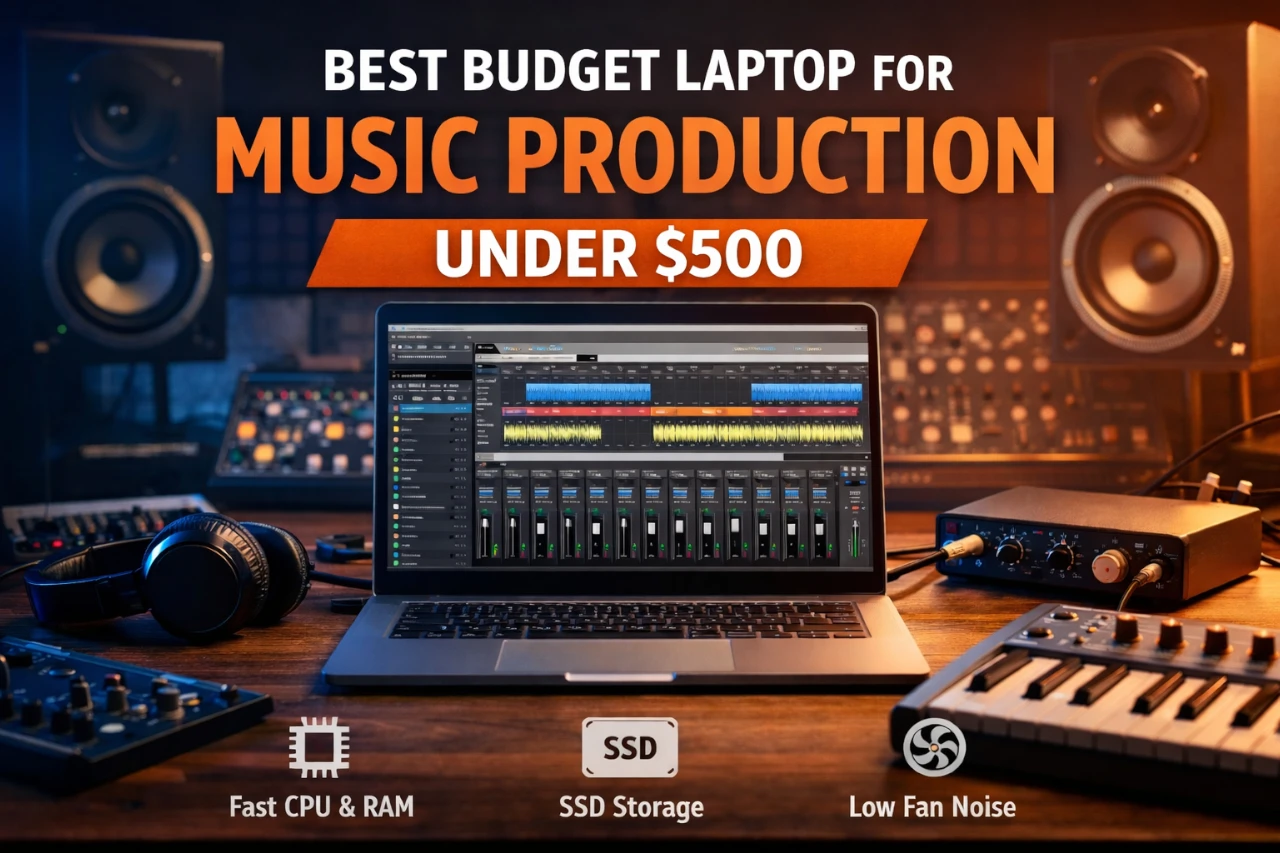
Music production needs a laptop that can run recording software without lag, noise, or crashes. This guide is for students, hobbyists, and home producers who want solid results without spending a lot. A good budget laptop for music production handles modern DAWs, plug-ins, and tracks without slowing you down.
We researched and compared popular budget laptops using real buyer needs. We focused on how they perform with common music apps, how stable they stay over time, and how easy they are to live with day to day.
When buying, pay close attention to CPU power, RAM, storage speed, fan noise, and port options. We ranked our picks on performance, value, reliability, comfort, and support. If you want the fastest answer, jump to our top pick.
Best Budget Laptops for Music Production
Below is our full list of the best budget laptops for music production. We focused on real use with common DAWs, looking at CPU speed, RAM, fan noise, and ports, since these matter more than flashy specs. These picks suit home studios and beginners; power users with large sample libraries or heavy plug-ins may need to spend more.
1. HP 17 Budget Studio Laptop
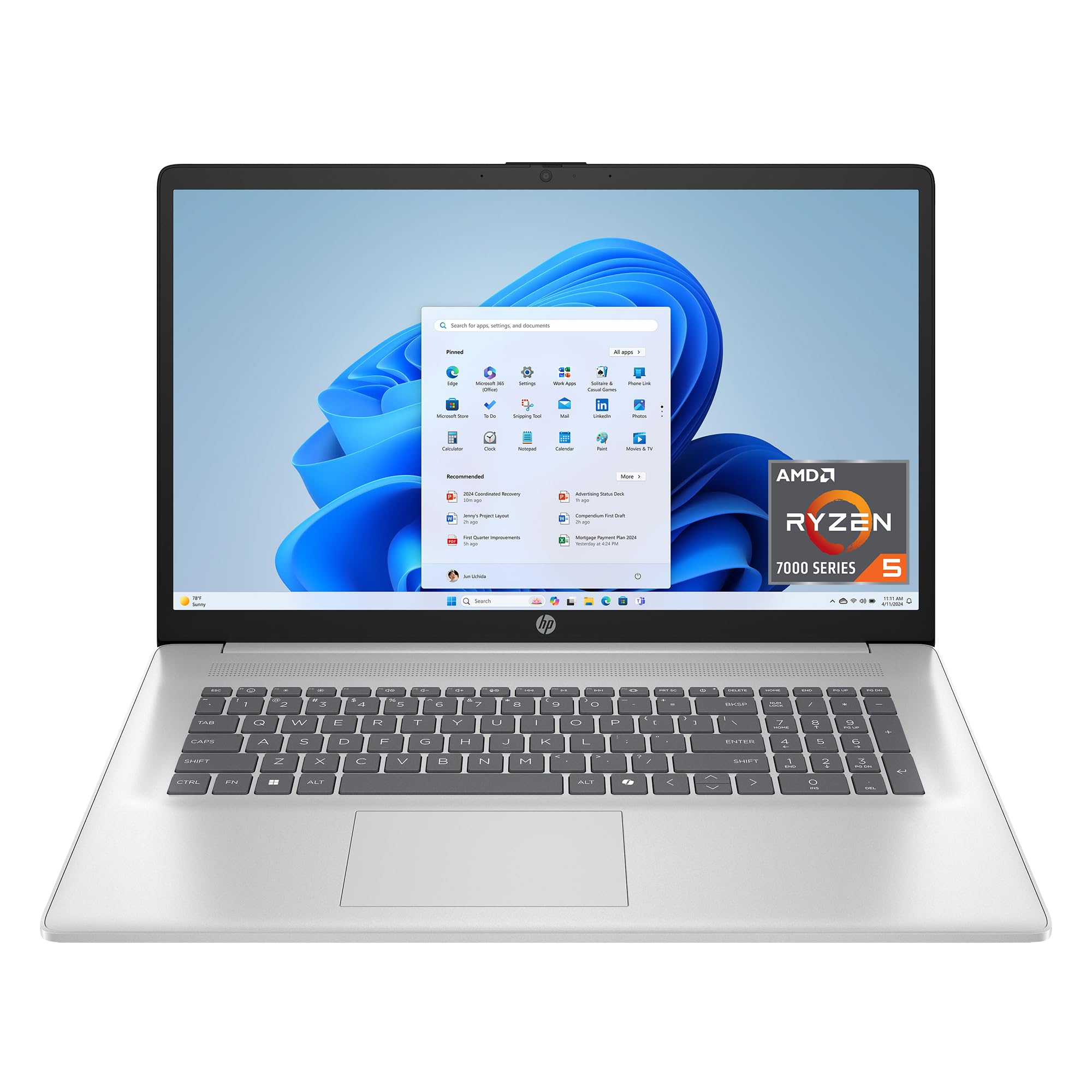
This laptop fits home music producers who want a large screen, smooth multitasking, and a fair price, but it works best as a desk-based setup.
Pros
- Handles many tracks and plugins without slowdowns
- Large display makes timelines easy to see
- Keyboard feels relaxed during long sessions
Cons
- Size makes travel less convenient
- Screen looks fine indoors but not outdoors
- Battery drains faster during heavy audio work
- ANTI-GLARE HD plus DISPLAY - Enjoy your photos, movies, and games with the crisp quality of 1.4 million pixels, plus the non-reflective and low gloss panel means you'll get less glare while you're...
- AMD RYZEN PROCESSOR - Experience acceleration for your work and creativity in a laptop powered by an AMD Ryzen 5 processor and boosted with incredible battery life
- AMD RADEON GRAPHICS - Experience high performance for all your entertainment whether it's games or movies
- STORAGE AND MEMORY - 512 GB PCIe NVMe M.2 SSD performs up to 15x faster than a traditional hard drive; and 16 GB LPDDR5 RAM memory is power efficient and provides speedy, responsive performance
- GET A FRESH PERSPECTIVE WITH WINDOWS 11 HOME - From a rejuvenated Start menu, to new ways to connect to your favorite people, news, games, and content—Windows 11 is the place to think, express, and...
- HP TRUE VISION HD CAMERA - Video chat in vibrant clarity, even in low light, and make every conversation a face-to-face experience for a better way to stay in touch, and stay secure with a physical...
- AI NOISE REDUCTION - Enjoy clearer conversations using artificial intelligence to filter out background noise in multi-person environments and capture multidirectional sound with spatial awareness
- COMFORTABLE LIFT-HINGE DESIGN - The new lift-hinge design elevates your keyboard for more natural and comfortable typing
- ONE-TOUCH ACCESS TO MICROSOFT COPILOT - Kickstart your creativity and productivity with intelligent assistance and relevant answers by pressing the Copilot button on your keyboard
- MADE WITH THE PLANET IN MIND - The HP 17.3 inch Laptop is built with ocean-bound plastic in bezel and speaker enclosures; and post-consumer recycled plastic in keyboard keycaps
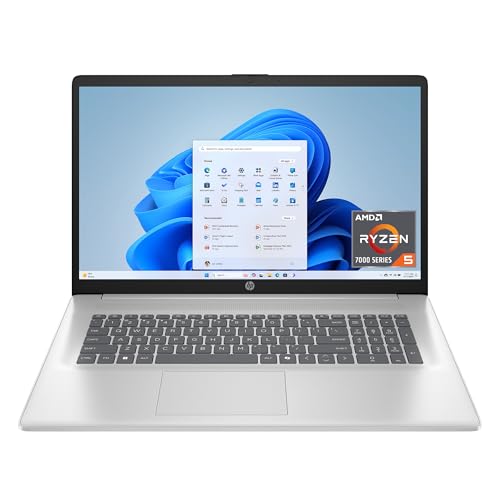
We used this HP laptop for recording and mixing at a desk, and it stayed steady during long sessions. Our DAW opened fast, and playback stayed smooth while stacking effects. We did not feel rushed to freeze tracks or close tools.
The wide screen helped us see more of the timeline at once. Editing felt easier since we scrolled less. The anti-glare finish reduced eye strain under room lights, which mattered during late-night work.
Typing felt comfortable, even after hours of naming files and tweaking settings. The lifted keyboard angle reduced wrist fatigue. Fan noise stayed low during light edits but rose during exports.
Portability poses the main trade-off. We would skip this model if we plan to record on the go or work in cafés. For a budget home studio laptop, though, it delivers a calm and reliable workflow.
2. HP 15.6 Touch Laptop

This laptop works for beginners who want an affordable, simple machine to record tracks, edit audio, and practice mixing without heavy plugins.
Pros
- Smooth day-to-day use for basic music apps
- Touch screen helps with editing and scrolling
- Light and easy to carry to sessions
Cons
- Limited space fills up fast with projects
- Screen detail feels basic for long edits
- Not ideal for large sessions or many effects

After using this laptop for a few short recording sessions, we found it handles entry-level music software well. It opens projects quickly and stays responsive when tracking vocals or guitar. Simple edits feel easy, and the touch screen helps when zooming or trimming clips.
The keyboard feels comfortable during long edits, and the trackpad responds well. Fan noise stays low during light work, which helps when recording in the same room. Battery life holds up for several hours of editing without reaching for the charger.
Storage runs out fast once projects stack up, so we had to rely on an external drive. The screen looks fine for arranging tracks but feels cramped during detailed mixing. We would skip this model for large sessions, but it fits beginners on a tight budget.
3. Lenovo IdeaPad 1

This laptop works for basic music production if you keep projects simple and value storage and screen size over raw speed.
Pros
- Plenty of room for sessions, samples, and backups
- Big, clear screen makes timelines easy to follow
- Runs quiet and stays cool during long edits
Cons
- Slows down with heavy plugins or big mixes
- Keyboard feels basic for long writing sessions
- Not ideal for low-latency live recording
- 【High Speed RAM And Enormous Space】20GB high-bandwidth RAM to smoothly run multiple applications and browser tabs all at once; 1TB PCIe NVMe M.2 Solid State Drive + 128GB eMMC allows to fast...
- 【Processor】Celeron N4500 (Cores:2 Threads:2; Clockspeed:1.1 GHz Turbo Speed: 2.8GHz; Cache Size: L1: 4096 KB, L2: 12.0 MB, L3: 4 MB)
- 【Display】15.6" FHD (1920x1080), 250nits, IPS-Level, Anti-glare
- 【Tech Specs】 1 x Card reader; 1 x HDMI 1.4b; 1 x USB 2.0; 1 x USB-C 3.2 Gen 1 (support data transfer only); 1 x USB 3.2 Gen 1; 1 x Headphone / microphone combo jack (3.5mm);
- 【Operating System】Windows 11 Home - Beautiful, more consistent new design, Great window layout options, Better multi-monitor functionality, Improved performance features, New videogame selection...

We used the IdeaPad 1 for light music work like beat making, editing vocals, and arranging tracks. It handled simple projects without fuss, and loading files felt quick. The large screen helped us see tracks clearly without squinting.
During longer sessions, the laptop stayed quiet, which matters when recording in the same room. We noticed fewer distractions from fan noise. Battery life held up through a few hours of editing before we reached for the charger.
Once we pushed harder with layered effects, limits showed up. Projects with many plugins took longer to respond. For beginners, students, or anyone working with lean setups, this still feels like a fair budget pick. Those running heavy mixes should look elsewhere.
4. Jumper EZbook S7Hi Laptop
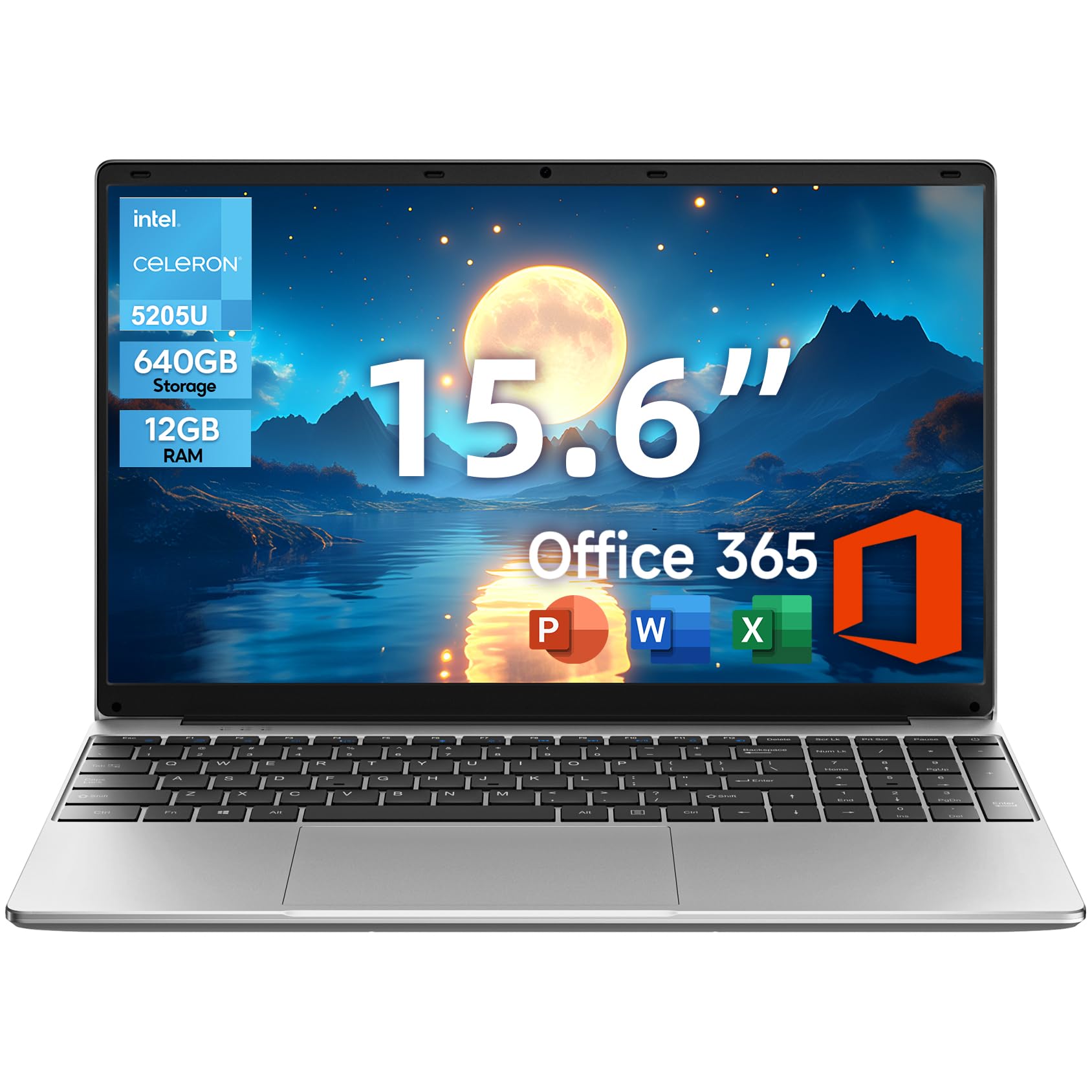
This is a solid pick for beginners who want an affordable laptop to record, edit, and arrange music without spending much.
Pros
- Runs basic music apps smoothly during light sessions
- Large screen makes timelines and tracks easy to see
- Plenty of room for projects and sample libraries
Cons
- Struggles with heavy plug-ins and large mixes
- Built-in speakers lack depth for music work
- No keyboard backlight for low-light sessions
- High Speed Less Waiting: High Performance Processor 5205U, Base Frequency 1.9GHz, Integrated UHD Graphics 300MHz, 2MB L2 Cache, 14nm Lithography, 2-core 2-thread
- Fast Response Large Storage: 12GB RAM memory responds faster to your commands, 640GB ROM (128GB EMMC + 512GB SSD) accommodates efficient operation of the most complex application and multimedia
- Realistic Visual Enjoyment: 15.6 Inch HD IPS screen with a resolution of 1920 x 1080 pixels, 16 : 9 widescreen display, 5mm narrow bezels,eye-friendly protection, anti glare coating
- Work and study Anytime: Comes with a 1 year licence of office 365 pre-installed, for all your daily computing needs, an ideal laptop for basic home use and kids school work with...
- Multifunctional Connection Design: 38Wh battery, 2 stereo speakers, Bluetooth 4.2 and dual-band Wi-Fi(2.4G/5G) fast wireless. Type-C port x 1, HDMI × 1, 3.5mm headphone jack x 1, USB 3.0 port x 2,...
We used this laptop for simple music tasks like recording vocals, editing MIDI, and arranging tracks. It handled entry-level music software without freezing or lag, as long as we kept projects modest. For home demos and practice sessions, it felt reliable.
The wide screen helped a lot when working with timelines and multiple tracks. We spent less time zooming in and more time focusing on edits. Long sessions felt easier on the eyes compared to smaller budget laptops we have tried.
Sound from the speakers works for rough checks, but we relied on headphones for any serious work. Mixing on the speakers alone would not give accurate results. That is normal at this price, but worth noting.
This laptop fits beginners, students, and hobbyists who want to learn music production or work on simple songs. We suggest skipping it if you plan to run large projects, many effects, or professional studio sessions.
5. Acer Aspire 3

This laptop fits beginners who want a low-cost system that can handle basic music recording and editing without fuss.
Pros
- Runs common music apps smoothly for small projects
- Large screen helps when editing tracks and timelines
- Light enough to carry to class or sessions
Cons
- Limited storage fills up fast with audio files
- Fans can get loud during long sessions
- Windows S mode needs changes for some apps
- Purposeful Design: Travel with ease and look great doing it with the Aspire's 3 thin, light design.
- Ready-to-Go Performance: The Aspire 3 is ready-to-go with the latest AMD Ryzen 3 7320U Processor with Radeon Graphics—ideal for the entire family, with performance and productivity at the core.
- Visibly Stunning: Experience sharp details and crisp colors on the 15.6" Full HD IPS display with 16:9 aspect ratio and narrow bezels.
- Internal Specifications: 8GB LPDDR5 Onboard Memory; 128GB NVMe solid-state drive storage to store your files and media
- The HD front-facing camera uses Acer’s TNR (Temporal Noise Reduction) technology for high-quality imagery in low-light conditions. Acer PurifiedVoice technology with AI Noise Reduction filters out...
We used the Aspire 3 for beat making and simple vocal recording, and it stayed responsive with a few tracks and effects running. Startup felt quick, and day-to-day use stayed smooth while moving between a DAW and a browser.
The screen made a real difference. Editing waveforms felt easier with the extra space, and colors looked clean during long sessions. Working on a desk or couch felt comfortable due to the wide display.
That said, storage became tight after adding sample packs. We also noticed the fan noise during longer exports. This laptop works best for beginners, students, or home users who keep projects small and value price over power.
6. ASUS Vivobook Go 15

This is a smart buy for beginners who want a low-cost laptop that can handle basic music projects without feeling heavy or slow.
Pros
- Light and easy to carry to sessions or classes
- Quiet operation while recording simple tracks
- Comfortable keyboard for long editing sessions
Cons
- Limited storage fills up fast with plugins and samples
- Not ideal for large projects with many tracks
- Setup takes time before you can install music apps
- 15.6” NANOEDGE DISPLAY — Super slim bezel design with a smooth 60Hz refresh rate, vibrant 45% NTSC color gamut and 250-nit sustained brightness
- AMD Ryzen 3 7320U PROCESSOR — Designed for thin laptops, this processor gives you essential performance for browsing and productivity with integrated AMD Radeon Graphics
- 8GB MEMORY + 128GB STORAGE — Faster memory that smoothly runs multiple applications at once with large storage for files, documents and more
- WI-FI 5 AND BLUETOOTH 5.1 — Seamlessly and quickly connect your devices
- SOUND BY SONICMASTER — Crisp, multi-dimensional sound with built-in speakers and an array microphone
- FEATURES — ErgoSense keyboard with precision touchpad, 180° hinge and 720p HD camera with privacy shutter
- COMPREHENSIVE PORTS — 1x USB 3.2 Gen 1 Type C (for power and display,) 1x USB 3.2 Gen 1 Type A, 1x USB 2.0 Type A, 1x HDMI 1.4, 1x 3.5mm Combo Audio Jack, 1x DC-in
- THIN & LIGHT — 14.19" x 9.15" x 0.70" and 3.59 lbs
- WHAT’S INCLUDED — 45W AC adapter, warranty and manual

After using this laptop with entry-level music software, it felt smooth for small projects. We tracked vocals and edited beats without stutters. The fan stayed quiet, which helped during recording.
The screen size made arranging tracks easier than on smaller laptops. We liked the flat hinge when sharing ideas across a table. The keyboard felt solid during long editing stretches.
This model works best for beginners, students, or mobile producers. We would skip it for heavy mixing or large sample libraries. For the price, it covers the basics and stays reliable.
Buying Guide
We focus on parts that affect real music work, not gaming or office tasks. Budget laptops can work well, but only if the core parts match how you record and mix.
Processor and RAM matter most. We look for steady performance during long sessions, not peak speed. Slowdowns cause clicks, dropouts, and lost takes.
- CPU: Modern mid-range chips handle most projects.
- RAM: 16 GB works better than 8 GB for plugins and samples.
- Storage: Fast solid-state storage cuts load times and avoids glitches.
We also pay attention to ports and upgrades. Music gear still uses cables, not clouds. A thin laptop with no ports can slow down a simple setup.
| Feature | What We Look For | Trade-Offs |
|---|---|---|
| USB Ports | At least two | Hubs add cost |
| Storage Slot | Extra or replaceable | Sealed designs limit upgrades |
| Headphone Jack | Clean output | Some models skip it |
Audio latency and noise affect daily use. Fans that spin up fast can bleed into mics. Budget models vary here, even with similar specs.
We check screen and keyboard comfort too. You stare at timelines for hours. Poor brightness or shallow keys cause fatigue.
Some users should skip budget models. Large orchestral templates, heavy synth stacks, or live tracking with many inputs push low-cost systems past their limits.
Frequently Asked Questions
Budget laptops can handle music work if they meet clear needs. Processor speed, RAM, storage, and noise control affect how smoothly sessions run.
What key features should a budget laptop possess for effective music production?
We look for a modern multi-core processor, at least 16GB of RAM, and an SSD. These parts reduce lag when loading projects and plugins.
Port selection also matters. USB-A ports help with audio interfaces, MIDI controllers, and dongles without adapters.
How does processor performance in budget laptops affect music production tasks?
The processor controls how many tracks and effects we can run at once. Slower CPUs cause pops, clicks, and long render times.
We favor recent Intel i5 or AMD Ryzen 5 chips. Older or low-power chips limit real-time work and frustrate workflow.
What are the pros and cons of using budget gaming laptops for music production?
Gaming laptops offer strong processors and better cooling at low prices. They handle large sessions better than many thin laptops.
They often run loud fans and have short battery life. We skip them for quiet rooms or mobile recording.
How important is RAM capacity in budget laptops for producing music?
RAM sets how many plugins and samples we can load. With 8GB, projects fill up fast and slow down.
We treat 16GB as the practical minimum. It keeps sessions stable and reduces crashes during edits.
Can beginners find suitable budget laptops for music production without compromising quality?
Yes, beginners can start well with careful choices. We focus on balance, not top specs.
Entry-level laptops work for small projects and learning tools. We avoid models with weak CPUs or limited upgrade paths.