

Online college students need a laptop that works every day for classes, video calls, and assignments without costing too much. Budget laptops under $500 can handle these tasks, but the wrong pick can feel slow or break early. This guide helps students who want a reliable laptop for school at a fair price.
We researched and compared popular models using real student needs. We looked at speed for school apps, screen comfort for long study sessions, battery life, and build quality. We also weighed price, support, and long-term reliability to find good value and clear trade-offs.
The best laptops for online college under $500 balance smooth performance, solid battery life, and a comfortable keyboard without cutting key features. We tested and ranked our picks to show who each one fits best and who should skip them. If you want the fastest answer, jump to our top pick.
5 Best Laptops for Online College Under $500
Below is our list of the best laptops for online college that cost under $500. We focused on models that handle video classes, web apps, and daily writing, while noting limits like weaker graphics or small storage. These picks suit students on a tight budget, but those who need heavy design or gaming power should skip this range.
1. Lenovo IdeaPad 1 (15.6″)

This laptop works well for online college students who want a large screen, smooth multitasking, and lots of storage while staying under $500.
Pros
- Handles many browser tabs and school apps without slowing us down
- Big screen makes reading slides and writing papers easier
- Plenty of space for files, videos, and class projects
Cons
- Performance feels limited during heavy tasks
- Screen brightness struggles in sunny rooms
- Keyboard lacks backlighting for night work
| Preview | Product | Price | |
|---|---|---|---|

|
Lenovo IdeaPad 1 Student Laptop, Intel Dual Core Processor, 20GB RAM, 1TB SSD + 128GB eMMC… | $459.00 $436.04 | View on Amazon |
After using it for classes, the first thing we noticed was how easy it felt to juggle tasks. We ran video calls, notes, and research tabs at the same time without freezes. That made long study sessions feel less frustrating.
The screen size helped more than expected. We could split windows for lectures and notes and still see everything clearly. Colors looked fine indoors, but we had to adjust our position near windows due to glare.
Daily use stayed smooth for basic schoolwork. Boot times felt quick, and file access stayed fast. Still, we wouldn’t use it for demanding programs or creative work since it slows under pressure.
This model fits students who focus on online classes, writing, and research. Those needing speed for editing or gaming should look elsewhere.
2. HP 15.6″ Touch Laptop

This laptop fits online college students who want a large touch screen, steady speed for classes, and solid battery life under a tight budget.
Pros
- The touch screen feels smooth and helps with notes and scrolling
- Battery lasts through a full day of classes without stress
- Setup feels quick and simple for school apps
Cons
- Screen sharpness looks basic, not crisp
- Storage fills up fast if you save many files
- Windows S mode limits app installs at first
| Preview | Product | Price | |
|---|---|---|---|

|
HP 15.6 inch Laptop, HD Touchscreen Display, AMD Ryzen 3 7320U, 8 GB RAM, 128 GB SSD, AMD Radeon… | $369.99 | View on Amazon |
We used this HP for video lectures, research tabs, and group calls, and it stayed responsive the whole time. The touch screen helped during readings and casual browsing, especially when we wanted to zoom or swipe instead of using the trackpad.
During long study days, the battery held up better than expected. Charging was fast enough to top off between classes, which mattered when moving around campus or working from a café.
Some limits showed up with storage and app freedom. Students who need heavy software or lots of local files may feel boxed in. For web-based classes, essays, and streaming lectures, it works well for the price.
3. HP Pavilion 15 (2026)
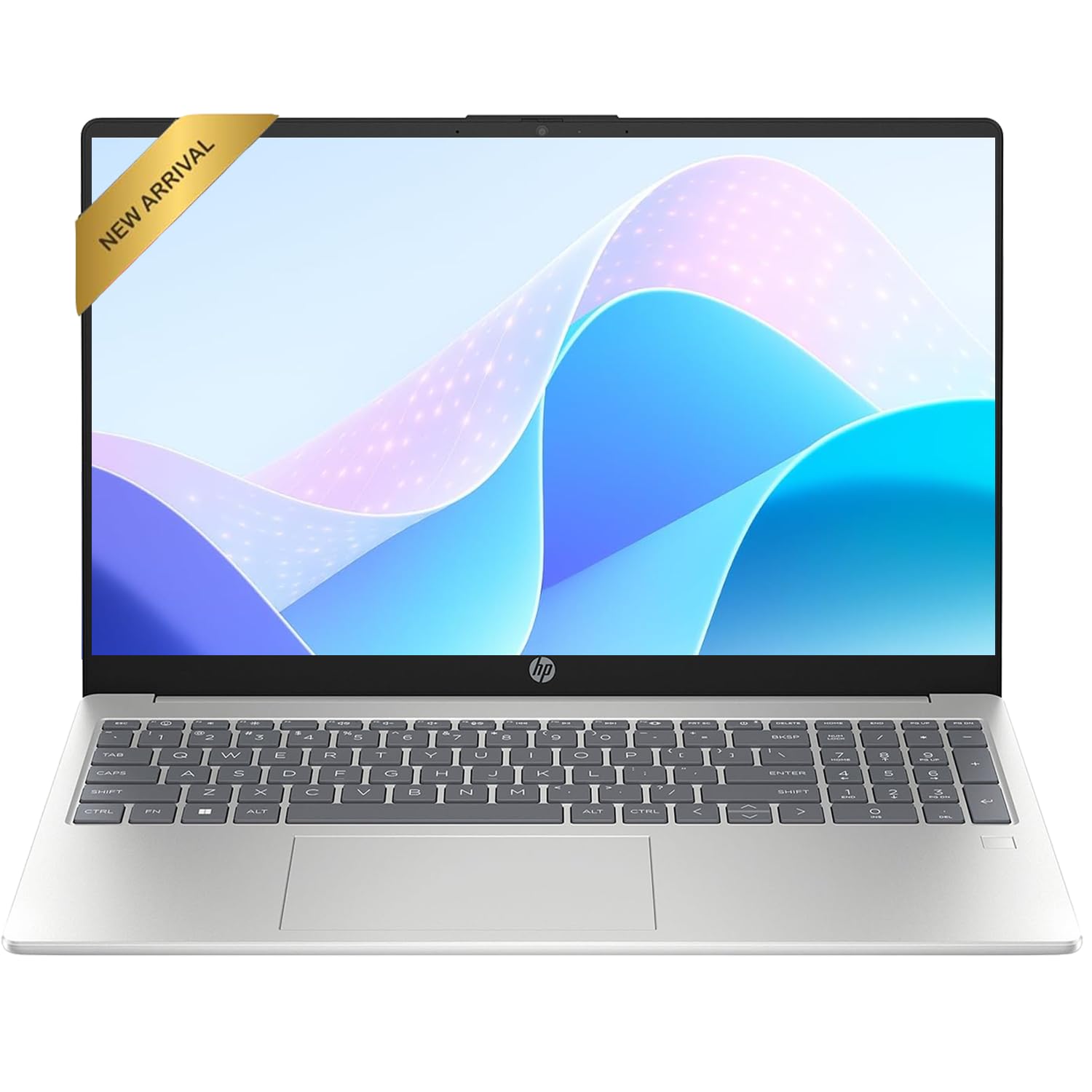
This laptop fits online college students who want a smooth daily experience on a tight budget and a screen that feels easy on the eyes.
Pros
- Runs everyday school apps without lag
- Large screen feels comfortable for long classes
- Battery lasts through most of a school day
Cons
- Speakers sound flat at high volume
- Silver finish shows smudges fast
- Webcam works fine but looks basic
| Preview | Product | Price | |
|---|---|---|---|

|
HP Ultrabook 15.6 FHD Business Laptop Computer with Office 365 for The Web • 2026 Edition… | $399.99 $379.99 | View on Amazon |
We used this HP Pavilion for video classes, research, and papers. It handled tabs, docs, and streaming without slowing down. Switching between apps felt steady, which matters during live lectures.
The 15.6-inch screen made a real difference. Text looked clear, and we did not feel cramped when splitting screens. Long study sessions felt easier than on smaller laptops.
Typing felt natural right away. The full keyboard helped during long writing tasks, and the number pad came in handy for math work. The trackpad responded well with no odd jumps.
Battery life stayed solid during real use. We got close to a full day with Wi‑Fi on and brightness set mid-level. Charging topped it back up fast during breaks.
This model works best for online college, not heavy creative work. Students who need loud speakers or advanced editing tools may want to look elsewhere. For classes under $500, it covers the basics well.
4. ASUS Vivobook 14
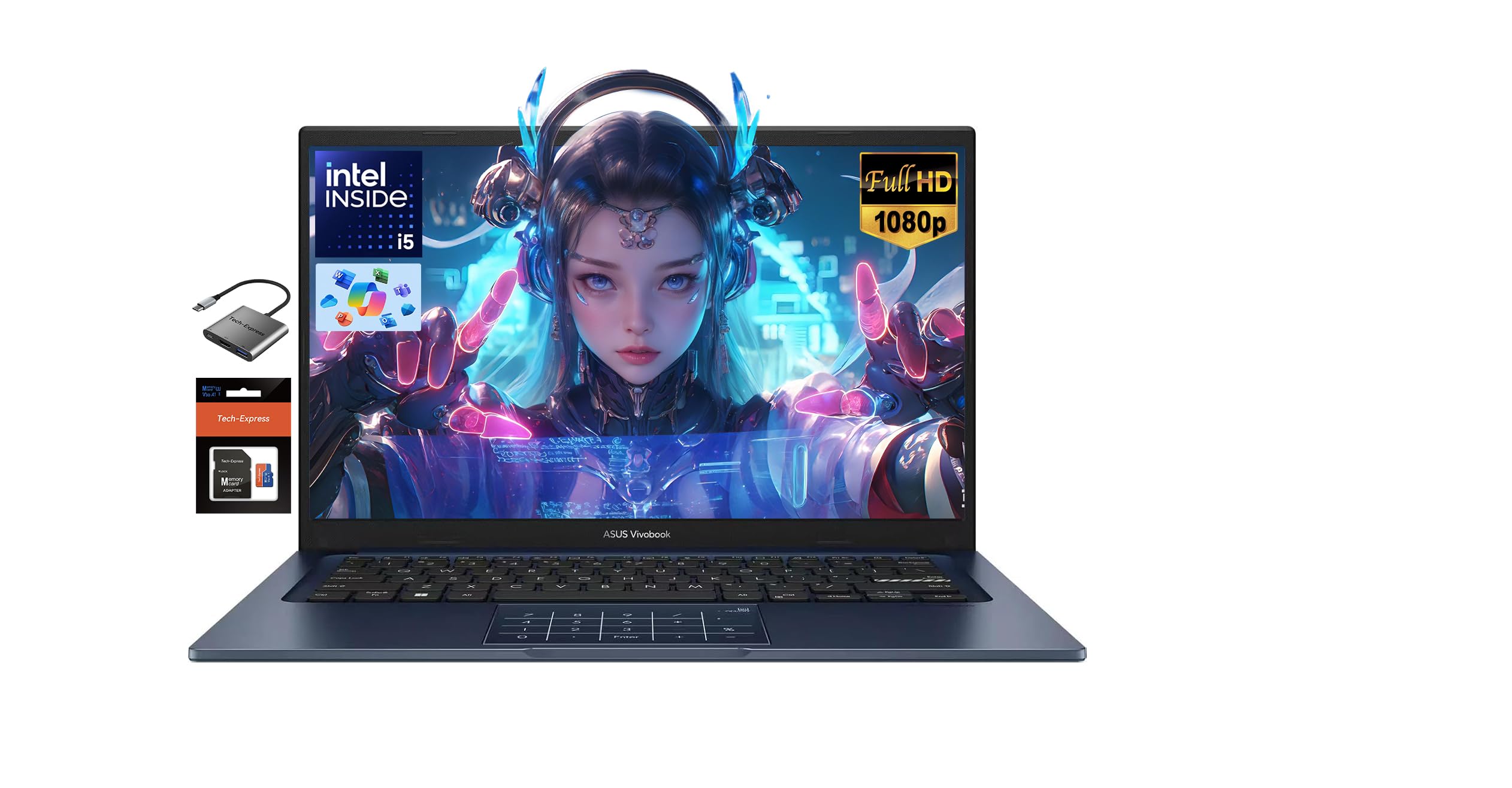
This laptop fits online college students who want smooth daily performance, light weight, and few headaches, as long as they do not need strong gaming graphics.
Pros
- Starts fast and stays responsive during class and homework
- Easy to carry all day without shoulder strain
- Clean setup with no junk apps slowing it down
Cons
- Keyboard feels soft and may take time to adjust
- Speakers sound flat for movies
- Not ideal for heavy gaming or design work
| Preview | Product | Price | |
|---|---|---|---|

|
ASUS Vivobook 14 Inch Business Laptop, 16GB RAM 512GB SSD Intel 6-Core i3-1315U(Beats i5-1135G… | $434.90 | View on Amazon |
After using this laptop for a full week of online classes, it handled video calls, research tabs, and writing work without slowing down. Apps opened quickly, and switching between tasks felt steady, not jumpy.
The size works well for backpacks, and we barely noticed the weight while moving between rooms or study spots. Battery life covered most of a school day, and the fast recharge helped during short breaks.
Typing felt quiet and smooth, though the keys lacked a firm click. Some users may miss that feedback during long essays.
The webcam and mic worked well for live classes. Voices sounded clear, and background noise stayed low. For under $500, this feels like a practical pick for online college, not a flashy one.
5. AOC AX15 15.6″ Laptop

This laptop makes sense for online college students who want smooth daily work, a big screen, and solid speed while staying under a tight budget.
Pros
- Handles many school tabs and apps without slowdowns
- Large, clear screen feels easy on the eyes during long classes
- Plenty of ports for mice, drives, and a second screen
Cons
- Not ideal for heavy gaming or advanced editing
- Speakers sound basic and lack depth
- Feels slightly larger to carry every day
| Preview | Product | Price | |
|---|---|---|---|

|
AOC Laptop Computer 15.6 Inch FHD Screen Laptop with N95 Processor(Up to 3.4GHz) 16GB RAM 512GB SSD… | $379.99 $339.99 | View on Amazon |
Using the AOC AX15 for online classes felt simple and stress-free. We jumped between video lectures, documents, and browser tabs without waiting for things to load. The system stayed responsive even during busy study sessions.
The 15.6-inch screen stood out right away. Text looked sharp, and the wide view helped when reading slides or working on papers side by side. Long study hours felt more comfortable compared to smaller laptops.
Port access made daily use easier. Plugging in a webcam, mouse, and external display took no adapters, which saved time during live classes. Charging over USB-C also helped when sharing chargers around the house.
On the downside, we would skip this model for demanding games or creative software. It runs light games fine, but that is not its strength. For online college, note-taking, and everyday tasks, it fits the role well.
Buying Guide
We focus on daily school tasks first. Online classes need stable performance, clear video, and long battery life. Heavy gaming or advanced design work falls outside this budget, so some users should skip this price range.
Performance matters more than looks. We look for smooth web use, document editing, and video calls without lag. Entry-level processors work, but weak chips slow down multitasking.
- Aim for 8 GB of memory if possible
- Storage should be solid-state, not mechanical
- Avoid systems with very low base speeds
Display and keyboard affect comfort. Students stare at screens for hours. A dim or low-resolution display causes eye strain. A cramped keyboard slows note-taking.
We also check the webcam and microphone. Clear video and sound reduce class issues.
| Feature | What We Look For | Trade-Offs |
|---|---|---|
| Screen | 14–15.6 inches, full HD | Smaller screens cost less |
| Battery | 7+ hours real use | Larger batteries add weight |
| Weight | Under 4 pounds | Lighter builds feel less sturdy |
Ports and connectivity still matter. Many students use flash drives, headphones, or external screens. We prefer laptops with common ports to avoid adapters.
- USB-A and USB-C help
- Headphone jack saves hassle
- Wi‑Fi 5 or better is enough
We also consider upgrade options. Some models allow memory or storage upgrades later, which helps extend value within a tight budget.
Frequently Asked Questions
We focus on laptops that handle video classes, browsers, and basic apps without lag. We also weigh battery life, build quality, and support limits at this price.
What are the top-rated laptops under $500 that are suitable for online college courses?
We see strong results from models like the Acer Aspire 3, Lenovo IdeaPad 3, and HP 15 with Ryzen 5 or Intel Core i3 chips. These handle Zoom, Google Docs, and multiple tabs well.
We avoid low-end Celeron models unless the budget is very tight. They slow down fast with video calls and heavy browsing.
Which laptops under $500 offer the best battery life for students attending online classes?
We find the longest battery life in Chromebooks like the Lenovo Flex 5 Chromebook and Acer Chromebook Spin series. Many last 9 to 12 hours with mixed use.
Windows laptops often land closer to 6 to 8 hours at this price. Battery claims vary, so real use matters more than box ratings.
Can I find a laptop with reliable performance for online college within a $500 budget?
Yes, if we stick to the right parts. A Ryzen 5 or Intel Core i3 with 8GB RAM gives steady performance for classes and homework.
We skip systems with 4GB RAM when possible. They struggle with modern browsers and video tools.
What are the most important features to look for in a laptop for online college students, priced below $500?
We prioritize 8GB RAM, an SSD, and a 1080p screen. These affect daily speed and comfort more than brand names.
We also check the webcam and keyboard. Poor webcams hurt class calls, and bad keyboards slow note-taking.
How does an Intel i7 processor in a sub-$500 laptop compare to other processors for college work?
We rarely see new i7 laptops under $500. When we do, they are older or refurbished models with weaker graphics and battery life.
For college tasks, a newer Ryzen 5 or Core i3 often feels faster and more efficient. We favor newer chips over old high-end labels.
Are there any laptops under $500 that include 16GB RAM, and are they necessary for college tasks?
We mostly find 16GB RAM in refurbished laptops or special deals. New models usually ship with 8GB at this price.
For online college work, 8GB is enough for most students. We only suggest 16GB for heavy multitasking or creative software.