
Laptops with an Intel Core i5 processor and 8GB of RAM suit most people who need a fast, reliable computer for work, school, and daily use. They handle web browsing, office apps, video calls, and light creative tasks without slowing down. This guide helps shoppers who want solid performance without paying for power they will not use.
We researched and compared current models using real buyer needs, not spec sheets alone. We looked at speed in daily tasks, battery life, build quality, screen comfort, and long-term reliability. We also weighed price, warranty support, and known issues from owners.
When buying, focus on performance consistency, value for the price, keyboard and screen comfort, and support after purchase. We explain trade-offs and who should skip certain models. If you want the fastest answer, jump to our top pick.
Best Laptops with 8GB RAM and Core i5
Below is our list of the best laptops with 8GB of RAM and an Intel Core i5. We found these models handle work, school, and light creative tasks well, but they can struggle with heavy gaming or large video edits. Shoppers who need more power or plan to keep many apps open all day may want more RAM or a stronger chip.
1. HP 15.6″ Touch Laptop
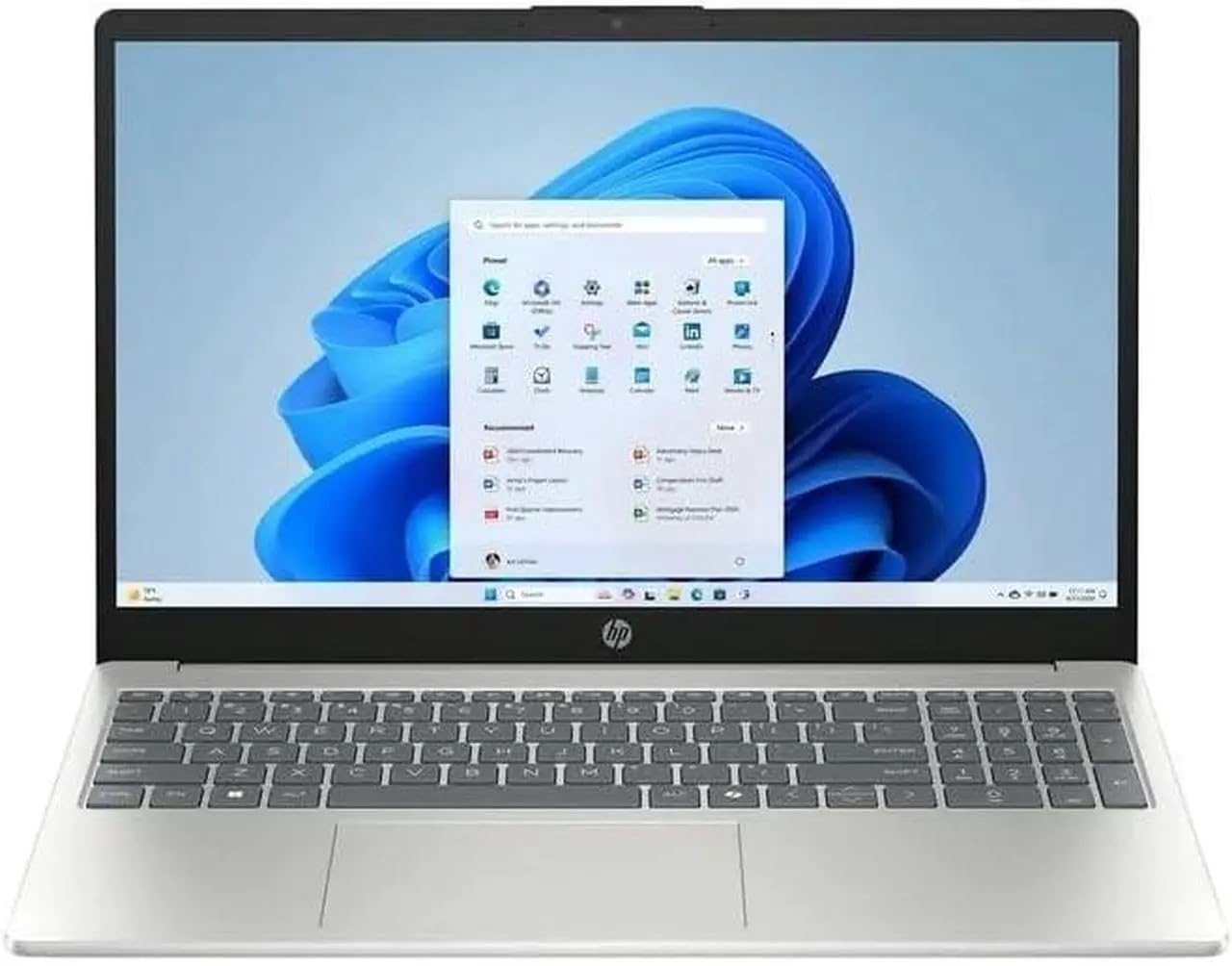
This laptop fits buyers who want a smooth, everyday Windows machine with a responsive touch screen and solid speed for work and home use.
Pros
- Feels quick for daily tasks and light creative work
- Touch screen responds well and cuts glare
- Slim design that’s easy to carry around
Cons
- Screen colors look plain for photo work
- Speakers sound average at higher volume
- Not built for heavy gaming

We used this HP for browsing, office work, and streaming, and it stayed smooth the whole time. Apps opened fast, and switching between tabs felt easy. The system stayed quiet during normal use, which helped during long sessions.
The touch screen made a real difference. Scrolling through documents and tapping links felt natural, especially when lounging on the couch. The anti-glare finish helped near windows, though brightness felt just okay outdoors.
Battery life held up through most of a workday with mixed use. The laptop feels light for its size and slides into a backpack without fuss. Skip this one if you need rich colors or loud audio, but it works well for students and home offices.
2. HP 15.6″ FHD Notebook

This laptop makes sense for everyday work and school if you want smooth speed, a large screen, and simple setup without paying extra.
Pros
- Feels fast during daily tasks like browsing and office work
- Large display gives room to work side by side
- Clean design that looks fine at home or work
Cons
- Keyboard can be hard to see in dim rooms
- Wi‑Fi range feels weaker than expected
- Build feels plain, not premium

- Intel Core i5-1235U Deca-core
- 15.6″ FHD (1920×1080) Anti-glare Display
- 8GB DDR4 RAM
- 512GB SSD
- HP True Vision 720p HD camera
After using this HP for a few days, it handled our normal workload without delays. Apps opened fast, and switching between tabs felt smooth. It works well for email, documents, and streaming.
The screen gives plenty of space to read and edit files. Watching videos looked clear, and the anti-glare finish helped under bright lights. We liked using it at a desk for longer sessions.
Typing felt comfortable, though the keys lacked backlighting. In low light, we had to adjust the room light. The touchpad responded well and did not miss gestures.
We noticed Wi‑Fi dropped sooner when moving far from the router. Near the router, it stayed stable. For home or office use, this likely will not matter.
This HP suits buyers who want a reliable, no-frills laptop for daily tasks. Skip it if you need strong Wi‑Fi range or a backlit keyboard.
3. Lenovo IdeaPad 3i 15.6” Touch

This laptop fits buyers who want a smooth, everyday Windows machine with a large touch screen and solid speed for school or office work.
Pros
- Feels quick when opening apps and switching tasks
- Touch screen responds well to taps and scrolls
- Comfortable keyboard with a handy number pad
Cons
- Screen brightness struggles near windows
- Speakers sound thin at higher volume
- Design looks plain and work-focused

Using this laptop for daily tasks felt easy and stress-free. It woke up fast, and we moved between browser tabs, documents, and email without slowdowns. The touch screen helped when scrolling long pages or zooming in on text.
The keyboard stood out during longer typing sessions. Keys felt firm, and the number pad saved time when working with budgets and lists. The trackpad stayed accurate and did not miss clicks during normal use.
On the downside, the screen looked less clear in bright rooms. Audio worked fine for calls, but we reached for headphones when watching videos. This model suits work, school, and home use, but heavy creative tasks may need a stronger option.
4. HP 15.6″ Everyday i5 Laptop

This laptop fits buyers who want a reliable 8GB Core i5 system for daily work, school tasks, and light creative use without paying extra for features they may not need.
Pros
- Feels quick and steady during daily tasks
- Large screen helps with writing and spreadsheets
- Light enough to carry without strain
Cons
- Plastic body feels basic in hand
- Speakers sound thin at higher volume
- Battery life drops faster with heavy use

We used this HP for email, web browsing, and document work, and it stayed smooth the whole time. Apps opened fast, and switching between tabs felt easy. The system never lagged during normal workloads.
The 15.6-inch screen made a big difference when working on school papers and budgets. Text looked clear, and we appreciated the extra space for side-by-side windows. The keyboard felt comfortable, and the number pad helped with data entry.
Build quality is simple, and you notice the plastic right away. It does not feel fragile, but it also does not feel premium. Sound works fine for calls and videos, yet headphones help if you want fuller audio.
We see this laptop working best for students, home users, and office tasks. Skip it if you need strong graphics or long unplugged sessions. For everyday use, it delivers a steady and predictable experience.
5. Dell Latitude E7470
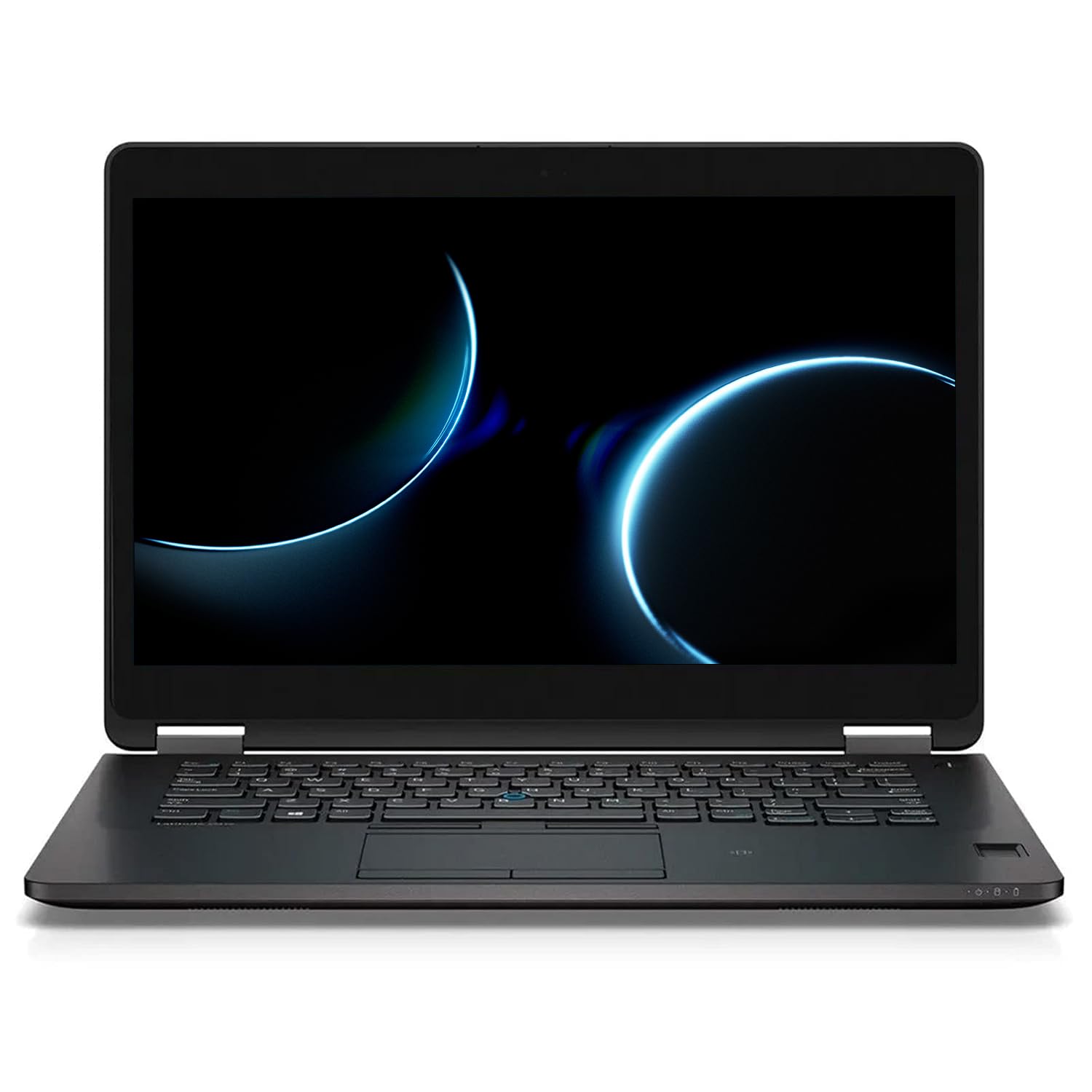
This laptop fits buyers who want a steady work machine for daily tasks without paying for extras they won’t use.
Pros
- Feels solid and dependable during long work sessions
- Handles everyday apps at the same time without lag
- Starts fast and stays responsive after sleep
Cons
- Screen looks basic compared to newer models
- Design feels dated next to modern ultrabooks
- Not built for gaming or heavy creative work

After using the Latitude E7470 for office work, we found it easy to trust. It stayed smooth while juggling email, documents, and video calls. The keyboard felt comfortable for long typing days, which matters more than flashy looks.
Portability worked well for us. The size slips into a bag without effort, and the weight never felt annoying during short trips. It feels like a laptop made to move from desk to desk.
The display does the job for spreadsheets and browsing, but it won’t impress for movies. Colors look fine indoors, yet outdoor use feels limited.
We see this model working best for students, remote workers, or anyone who wants a reliable backup laptop. Buyers who want a sharp screen or modern design should skip it and look elsewhere.
Buying Guide
We focus on balance. An 8GB Core i5 laptop should handle daily work without extra cost or bulk. We look for smooth multitasking, solid build, and useful ports.
Performance and CPU Fit
Core i5 works well for web apps, office tools, and light photo work. We avoid older generations that struggle with updates. Newer chips run cooler and waste less power.
If you edit large videos or run heavy code, this class may feel slow. In that case, skip and look higher.
Memory and Storage
8GB RAM suits most users today. It supports many browser tabs and apps at once. We prefer models with upgrade options.
Storage matters more than raw size. Choose fast SSD storage over older hard drives. It cuts load times and keeps the system responsive.
Display and Build
We check screen quality because you stare at it all day. A sharp display with good brightness reduces eye strain.
Build quality affects long-term use. Solid hinges and a firm keyboard matter more than thin designs.
Battery, Ports, and Use Case
Battery life should last a full workday. Fast charging helps if it falls short.
Ports still matter. We look for USB-A, USB-C, and a video output.
| Feature | What We Look For |
|---|---|
| CPU | Recent Core i5 |
| RAM | 8GB, upgradeable |
| Storage | SSD |
| Screen | Clear, bright |
| Battery | All-day use |
Frequently Asked Questions
Buyers often ask about memory limits, storage size, processor age, and real battery life. We also see concerns about price gaps and whether 8GB models can keep up with daily work and light gaming.
What are the performance differences between 8GB and 16GB RAM on an i5 laptop?
With 8GB RAM, we see smooth performance for web browsing, office apps, and media use. The system may slow when many tabs or apps stay open at once.
With 16GB RAM, multitasking feels steadier. We recommend it for photo editing, coding tools, or heavy browser use.
How does SSD storage capacity affect the functioning of an i5 laptop with 8GB RAM?
A 512GB SSD keeps the system responsive and boots fast. It also leaves room for apps and files without constant cleanup.
Smaller SSDs fill up quickly and can slow updates. Storage size does not replace RAM, but it reduces daily friction.
Can an i5 laptop with 8GB RAM handle intensive multitasking and gaming?
For multitasking, 8GB works if we limit background apps. Heavy workflows can cause slowdowns or app reloads.
For gaming, results depend on the graphics chip. Casual and older games run fine, but modern titles need lower settings.
What should one consider when choosing between different generations of i5 processors?
Newer i5 chips run faster per core and use less power. We also see better graphics in recent generations.
Older i5 models cost less but feel dated under load. We suggest checking the release year, not just the i5 name.
For a core i5 laptop with 8GB RAM, what are the battery life expectations?
Most models last 6 to 9 hours with mixed use like browsing and video. Screen brightness and background apps matter a lot.
Gaming or heavy tasks cut battery life fast. We advise checking real test results, not brand claims.
Are there significant price variations between i5 laptops with 8GB RAM and 512GB SSD from different manufacturers?
Yes, prices vary by build quality, screen, and support. We often see a $150 to $300 gap for similar core specs.
Premium brands charge more for better displays and lighter designs. Budget models save money but may cut corners on screens or keyboards.

![Best OLED Laptop Choices for [year]: What to Buy for Work, School, and Gaming](https://www.featurelens.com/wp-content/uploads/2024/12/Best-OLED-Laptop-Buying-Guide-300x200.webp)